Finding the right uniform manufacturing partner is not simply about finding a supplier with a competitive price. For businesses in the United States, California, Australia, Singapore, Canada, the UAE, Germany, the UK and France, the right manufacturer also needs to understand product specifications, branding requirements, quality expectations, production timelines and international shipping.
Vietnam has become an important part of the global textile and apparel supply chain. According to Vietnam’s Ministry of Industry and Trade, the country’s textile and garment exports reached approximately US$46.2 billion in 2025, with products reaching around 138 international markets.
For international businesses considering Vietnam as a sourcing destination, this creates an opportunity to work directly with manufacturers rather than relying entirely on local resellers.
However, sourcing from another country also requires careful planning. Before placing an order, buyers should understand how the production process works, what information a manufacturer needs and what costs can affect the final price.
Here are nine important factors to consider when choosing a uniform manufacturing partner in Vietnam.
1. Understand What You Actually Need Before Contacting a Manufacturer
A successful uniform manufacturing project normally starts with a clear product brief.
Before contacting a manufacturer, prepare as much information as possible about the uniform manufacturing you need. This may include the type of garment, quantity, preferred fabric, colors, logo placement, printing or embroidery requirements, sizes and expected delivery date.
For example, a company ordering uniform manufacturing for office employees may need polo shirts or button-up shirts, while a hotel may require shirts, trousers, aprons or other coordinated workwear.

The more information you can provide, the easier it becomes for a manufacturer to estimate production requirements and provide a meaningful quotation.
You do not necessarily need a complete technical pack before making an enquiry. A reference photo, existing uniform, sketch or basic design can be enough to start a conversation.
For international buyers, it is also useful to specify the destination country at the beginning. Shipping requirements and delivery expectations can differ between the United States, Australia, Singapore, Canada, Europe and the Middle East.
2. Look Beyond the Price of the Uniform Manufacturing
Price is naturally an important part of uniform manufacturing, but the lowest quotation is not always the lowest overall cost.
A uniform order can involve several cost components: Fabric and garment construction, Printing or embroidery, Labels and packaging, Sampling, Quality control, Transportation, Customs and import-related costs, International shipping
For this reason, buyers should compare suppliers based on the complete production process rather than comparing only the unit price.
Vietnam can be attractive for international sourcing because of its established garment manufacturing ecosystem and export experience. The Ministry of Industry and Trade reports that Vietnamese textile and garment products are already present in a large number of international markets.
At the same time, buyers should calculate freight and import costs before making a final decision. A cheaper factory price does not automatically mean a cheaper delivered product.
3. Sampling Should Come Before Bulk Production
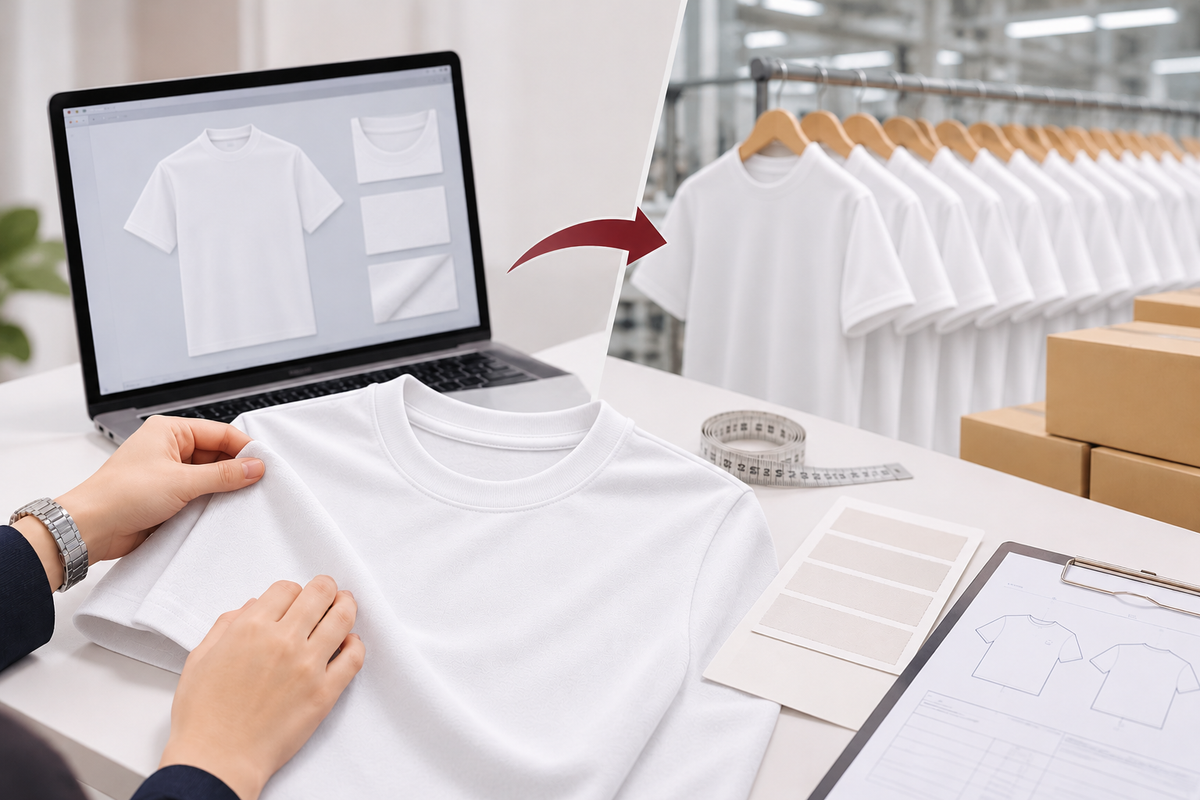
One of the most important stages in uniform manufacturing is sample approval.
A digital mockup can show how a logo or design may look, but it cannot completely demonstrate the actual fabric, fit, color, print quality or construction.
For this reason, international buyers should consider requesting a physical sample before approving a large production order.
A sample allows you to check: Fabric weight and feel, Color accuracy. Garment measurements, Logo size and placement, Print or embroidery quality, Stitching and finishing, Overall appearance
This is particularly important when the uniform manufacturing will represent a company’s brand.
Once a sample has been approved, the manufacturer should use the approved specifications as the reference for bulk production. Clear documentation at this stage can reduce misunderstandings later.
For buyers ordering from overseas, spending additional time on sampling can be more practical than trying to correct an entire bulk order after production.
4. Choose Fabrics Based on the Working Environment
The right fabric depends heavily on where and how the uniform manufacturing will be worn.
A lightweight polo may work well in a warm environment such as Singapore or the UAE, while businesses operating in colder parts of Europe or North America may require heavier fabrics or layered garments.
Other factors include: Breathability: Important for employees working outdoors or in warm climates. Durability: Important for uniform manufacturing that are washed frequently. Comfort: Employees may wear uniforms for eight or more hours a day. Color retention: Particularly relevant when uniform manufacturing use strong brand colors. Shrinkage and washing: The garment should be evaluated based on its expected care process.
For international businesses, it is therefore better to discuss the actual working environment with the manufacturer rather than selecting fabric based only on appearance.
A professional uniform manufacturing process should connect the garment specification with its intended use.
5. Branding Can Go Beyond Putting a Logo on a Shirt
A corporate uniform is often part of a company’s visual identity.
Besides the main logo, businesses may need additional branding elements such as employee names, department labels, woven labels, embroidered logos, printed graphics or custom packaging.
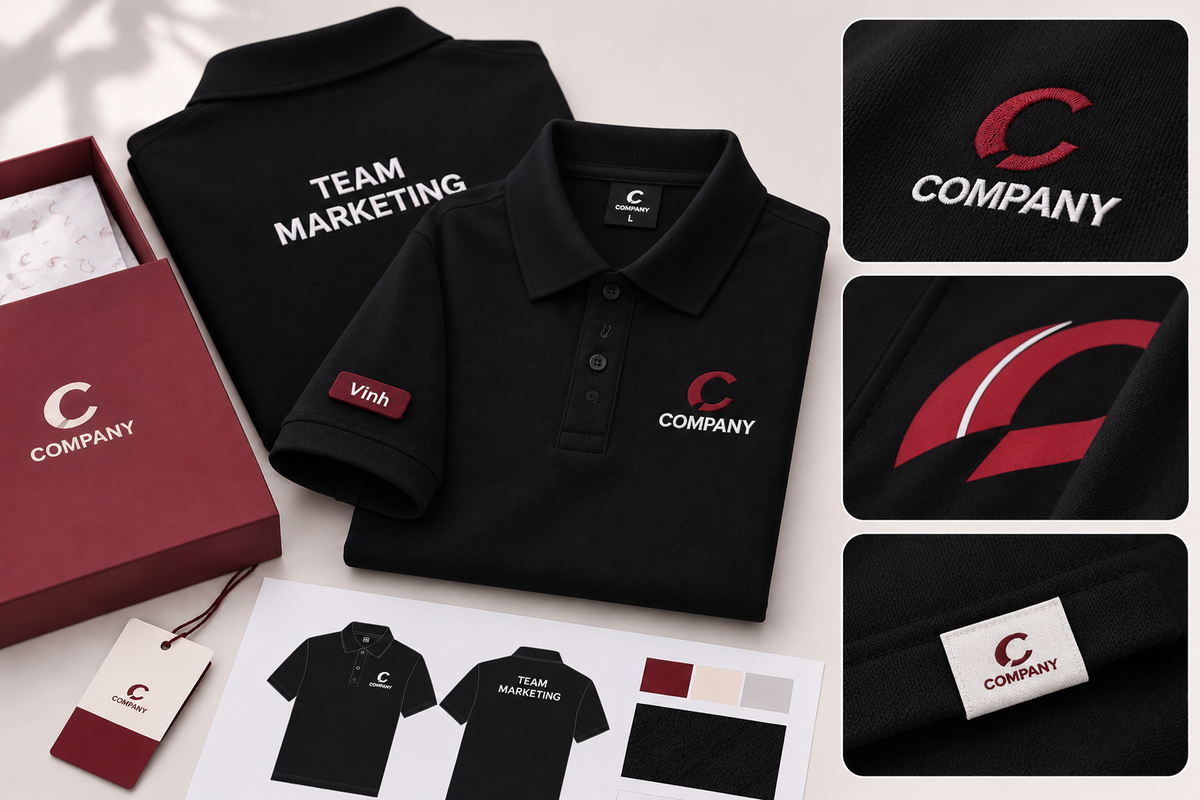
Different applications can also create different visual results. For example, embroidery may be appropriate for a more formal corporate uniform manufacturing , while screen printing, DTF or other printing methods may be more suitable for certain graphic designs.
The choice should depend on the fabric, artwork, expected durability and visual direction.
This is where discussing the artwork with the manufacturer before production becomes valuable. A good supplier should be able to identify potential production issues rather than simply accepting the artwork without review.
6. Quality Control Matters More When Production Is Overseas
When your manufacturer is located in another country, quality control becomes even more important.
International buyers may not be able to visit the production site for every order. A defined quality-control process can therefore help create greater consistency between the approved sample and the finished products.
Important checkpoints can include:
- Fabric and material inspection
- Color and printing inspection
- Size and measurement checks
- Stitching and construction checks
- Logo placement
- Final garment inspection
- Packing and quantity verification
The exact process will depend on the supplier and the size of the order.
Vietnam’s textile sector is deeply integrated into international supply chains, but buyers should still evaluate individual suppliers rather than assuming that every manufacturer provides the same production standards. Recent industry guidance also emphasizes the importance of checking production capabilities, MOQ, certifications and export records when selecting a Vietnamese uniform manufacturing .
In other words, the reputation of the country is not a substitute for evaluating the individual supplier.
7. Consider MOQ and Production Lead Time Carefully
Minimum order quantity, or MOQ, is another important part of uniform manufacturing.
Different manufacturers may have different MOQ requirements depending on: Garment type, Fabric, Color, Printing method, Embroidery, Custom labels, Production capacity
A company ordering uniforms for 20 employees may have very different requirements from a hotel ordering several hundred uniforms.
Lead time should also be discussed before the order is confirmed.
A typical production timeline may include: Design → quotation → sample → sample approval → material preparation → bulk production → quality control → packing → shipping
The total time is therefore more than simply the number of days required to sew the garments.
International buyers should provide their required delivery date early in the conversation so the supplier can determine whether the production and shipping schedule is realistic.
8. Why Consider Uniform Manufacturing in Vietnam?
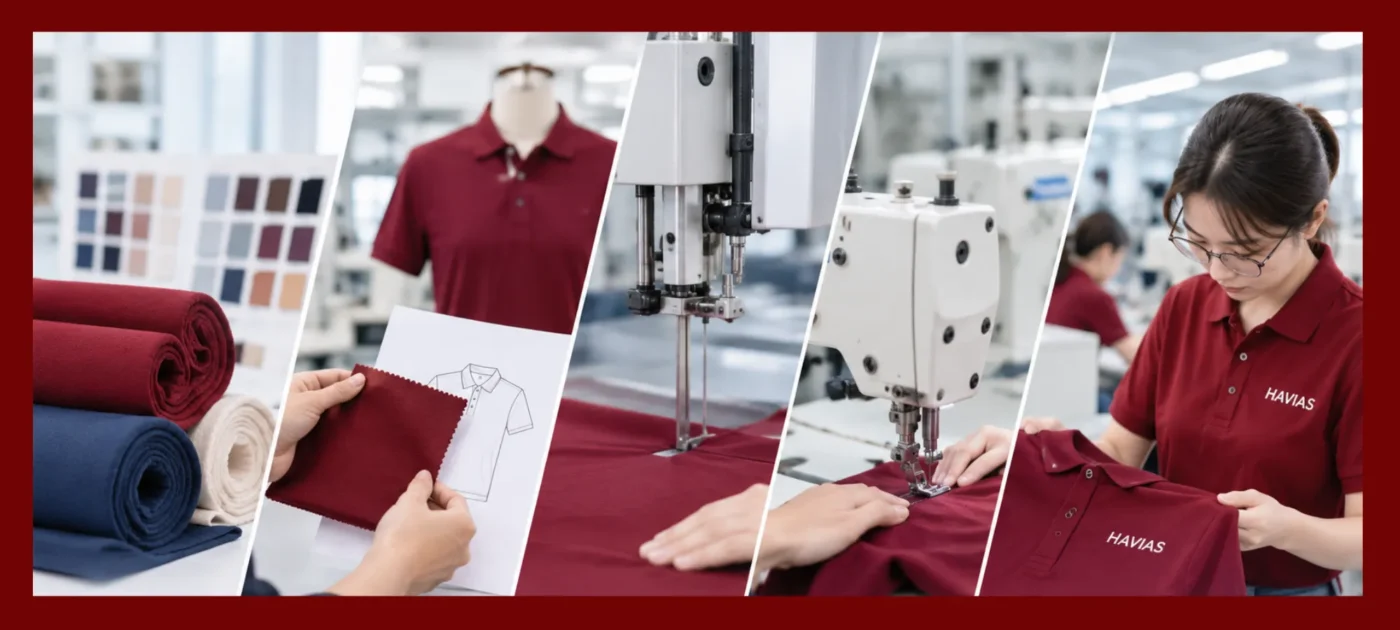
Vietnam is already a major apparel-exporting country, which means international buyers are not entering an entirely new manufacturing ecosystem.
In 2025, Vietnam’s textile and garment exports were reported at approximately US$46.2 billion, and the country’s products reached around 138 markets. The United States remained the largest export market for Vietnamese textiles and garments.
For businesses considering Vietnam, potential advantages can include: Established apparel production: Vietnam has a large network of garment manufacturers and supporting suppliers. Custom production: Buyers can work with specifications rather than relying only on ready-made uniforms. Competitive production costs: Manufacturing costs can be attractive depending on the product, quantity, materials and production requirements. Export experience: Vietnam’s garment industry already serves international markets. Flexible sourcing options: Buyers can explore different manufacturers depending on their product category and order volume.
However, Vietnam is not automatically the right option for every project.
International shipping takes time, import regulations vary between countries and smaller orders may not always achieve the same cost efficiency as larger production runs.
The right question is therefore not simply, “Is Vietnam cheaper?”
It is: “Does manufacturing in Vietnam make sense for my quantity, product requirements, delivery schedule and total landed cost?”
That is a much more useful question for an international buyer.
9. What Is HAVIAS UNIFORM and How Can It Support International Uniform Orders?
For businesses looking for a Vietnam-based option, HAVIAS Uniform is a uniform printing and production partner based in Vietnam.
Rather than positioning the company as the solution for every type of uniform order, HAVIAS Uniform focuses on helping businesses develop customized apparel with their own designs, branding and printing requirements.
The process can start from a design, reference image or existing concept. From there, the production requirements can be discussed based on the garment, quantity, artwork and intended use.
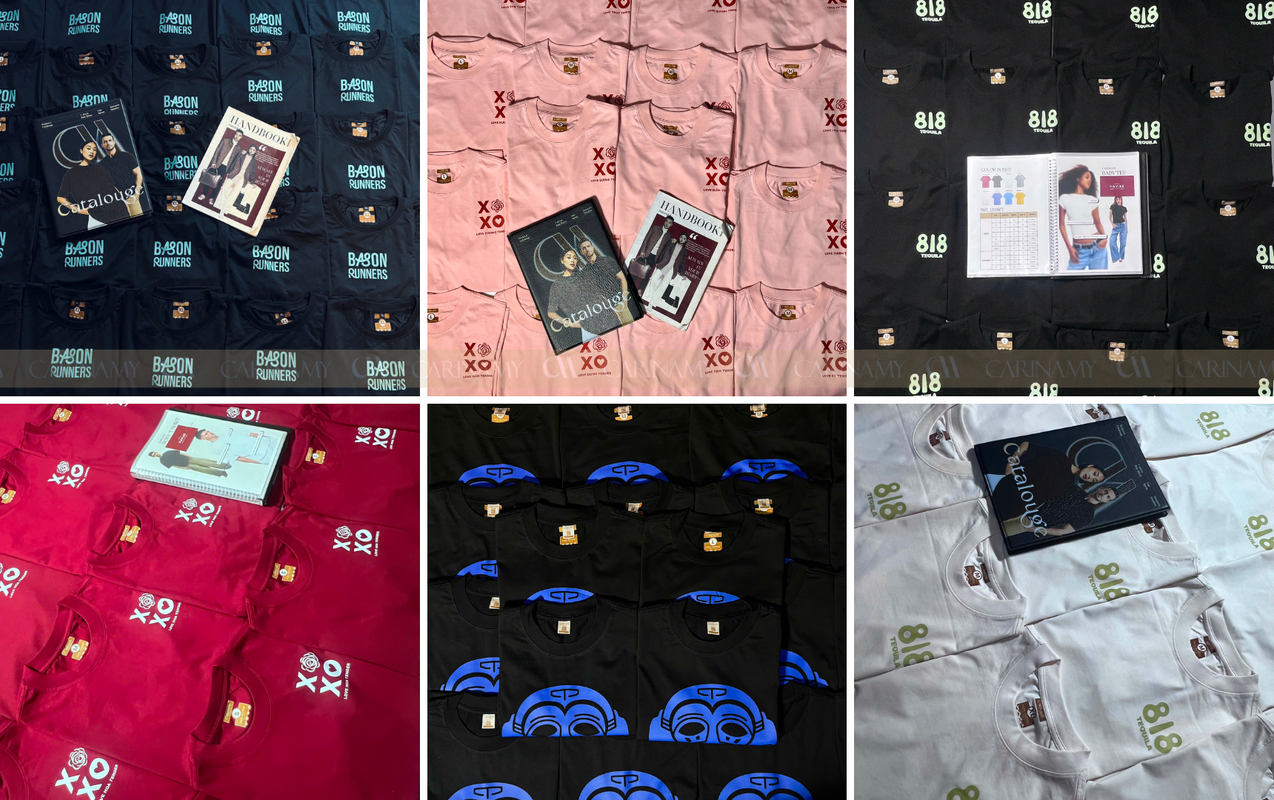
For an international customer, this approach can be useful when the project requires more customization than a standard ready-made uniform.
The practical advantages of working with a Vietnam-based production partner may include direct communication with the production side, customization of designs and the possibility of discussing production requirements before committing to a larger order.
At the same time, international buyers should consider shipping distance, customs, lead time and order quantity as part of the overall decision.
CARINAMY’s role is therefore best viewed as one potential sourcing option for businesses that want to explore custom uniform manufacturing in Vietnam, rather than as a replacement for every local supplier.
What International Buyers Should Prepare Before Requesting a Quote
A clear quotation request can make the sourcing process much faster.
Before contacting a manufacturer, prepare the following information:
Product:
What type of uniform do you need?
For example: Corporate polo shirts, Office shirts, Restaurant uniforms, Hotel uniforms, Workwear, Event uniforms, School or team apparel
Quantity
Provide the estimated number of pieces. If you expect repeat orders, mention that as well.
Design
Send your logo, artwork, reference photos or existing uniform. Vector artwork is helpful when available.
Fabric
If you already know the fabric you want, include it. Otherwise, explain the working environment and ask the manufacturer for suitable options.
Sizes
Provide the expected size range and, if possible, a measurement chart.
Branding
Specify whether you need printing, embroidery, woven labels, name tags or other branding elements.
Destination
Tell the manufacturer where the order will be delivered.
For example: USA / California. Australia. Singapore. Canada. Dubai / UAE. Germany. United Kingdom. France
Delivery timeline
State when you need the uniforms to arrive. This helps the manufacturer determine whether the requested production schedule is realistic.
Questions to Ask a Uniform Manufacturer Before Ordering:
Before choosing a supplier, international buyers can ask:
Do you manufacture or only resell uniforms?
Can you produce a sample before bulk production?
What is your MOQ?
What fabrics are available?
Which printing and embroidery methods do you offer?
How do you handle quality control?
Can you follow an existing size chart?
Can you add custom labels or packaging?
How long does bulk production take after sample approval?
Do you support international shipping?
What information do you need to provide a quotation?
These questions help buyers compare manufacturers based on the entire production process instead of focusing only on price.
Is Vietnam Right for Your Uniform Order?
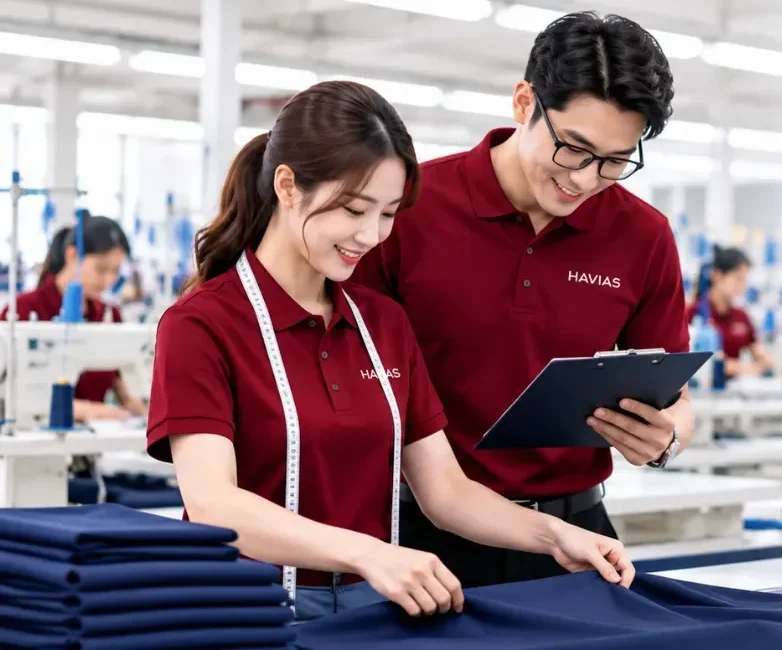
There is no single sourcing location that is perfect for every business.
For some companies, purchasing locally may make more sense because the order is very small or the delivery deadline is extremely short.
For others, overseas uniform manufacturing may be worth considering when the project involves customized products, larger quantities or ongoing production.
Vietnam is already an established apparel-exporting market, with significant trade activity across North America, Europe and other regions. Government data also shows that Vietnamese textile and garment exports continue to serve a broad international customer base.
The decision should ultimately be based on the complete picture:
Product quality + customization + MOQ + production time + shipping + import costs + communication + quality control.
If those factors work for your business, sourcing from Vietnam can be a practical option to investigate.
Frequently Asked Questions About Uniform Manufacturing
What is uniform manufacturing?
Uniform manufacturing is the process of developing and producing customized garments for companies, organizations, schools, teams or other groups. It can include fabric selection, pattern development, cutting, sewing, printing, embroidery, labeling, quality control and packaging.
Can international companies order uniforms from Vietnam?
Yes. Vietnam has a well-established textile and garment export industry serving international markets. Buyers should still evaluate each supplier’s production capability, MOQ, quality-control process, shipping options and documentation requirements.
Is manufacturing uniforms in Vietnam cheaper?
It can be competitive depending on quantity, materials, design complexity and shipping costs. The unit manufacturing price should not be considered separately from freight, customs and other landed costs.
Should I order a sample first?
For customized uniforms, requesting a sample before bulk production is generally useful because it allows buyers to check fabric, sizing, colors, branding and construction before committing to a larger quantity.
Can HAVIAS Uniform produce custom uniforms?
HAVIAS Uniform provides custom uniform printing and production support in Vietnam. International buyers can discuss their design, quantity, garment requirements and branding needs before determining the appropriate production approach.
Conclusion
Choosing a uniform manufacturing partner is ultimately about finding the right balance between quality, customization, cost, production capacity and logistics.
For international businesses in the USA, California, Australia, Singapore, Canada, UAE, Germany, the UK and France, Vietnam is one sourcing market worth considering because of its established garment industry and international export experience.
The most important step is not choosing a supplier based on one attractive product photo or the lowest quotation. Instead, evaluate the complete process from design and sampling to production, quality control and delivery.
For businesses interested in exploring custom uniform production in Vietnam, HAVIAS Uniform can be one option to include in that sourcing process.
Have a uniform design or project in mind? Share your requirements, quantity and destination to discuss the next production steps.
(+84) 93737.0469 / (+84) 929.626.118 / (+84) 92362.8613 (+84 is Vietnam Code Telephone) ( Contact to Ms. Sophie or Mr. Victor Hung Nguyen )
